
It’s the healthier choice, right? For those of us wanting to cut down on unhealthy treats, sugar-free candy might seem like the perfect alternative. You can have your cake and eat it too—guilt-free.
But is it possible to have too much of a good thing? Can you eat too much sugar-free candy?
The added sugars in regular candy are a dietary villain for two main reasons. First, they cause your blood glucose to spike, making your pancreas work overtime to produce insulin to clear it. This can contribute to high blood pressure, chronic inflammation, chronic inflammation, and over time increase the risk of developing type 2 diabetes.
Second, added sugars are empty calories, adding to your daily calorie intake without giving you any nutrients or making you feel full. This makes them a major contributor to obesity.
Sugar-free treats generally replace sugar with either artificial sweeteners or sugar alcohols. While sodas generally use sweeteners such as aspartame or saccharin, sugar-free candy more often uses sugar alcohols known as polyols, such as xylitol or sorbitol. These are digested very slowly and are not fully absorbed, so these sugar alternatives don’t raise blood glucose the way normal carbohydrates do.
According to dietician and gut health expert Dr. Emily Leeming, around three quarters of adults eat more than their recommended daily sugar intake. Given the known health impacts of excessive sugar consumption, she says that choosing a sugar-free alternative to prevent crossing the threshold is often a good idea.
However, there are some caveats.
Why sugar-free candy can cause diarrhea
“The sugar alcohol causes an osmotic shift in the gut,” says Dr. Kait Brown, clinical managing director at America’s Poison Centers. “It’s drawing water out of your tissues and into the gut. So, you’re getting a lot more water in the system. On top of that, the sugar alcohol is also being fermented by gut bacteria.”
If eaten to excess, these effects can be unpleasant.
“It can cause a lot of gastrointestinal distress,” Dr. Brown explains. If you eat multiple servings of sugar-free candy in a sitting, she says, you get gas production and bloating and can get more muscle movement in the gut. “That accumulates in having watery, loose diarrhea.”
There are also some concerns about consuming large amounts of sugar substitutes over time. Some studies suggest that regular consumption of artificial sweeteners could have a negative effect on the gut microbiome or even increase the risk of some cancers.
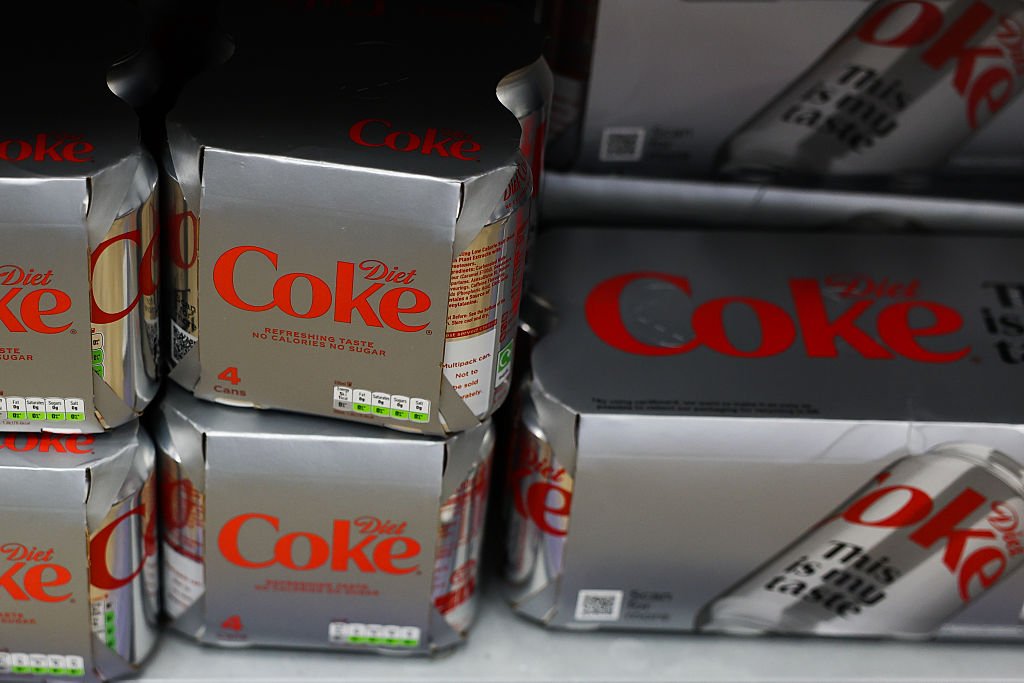
However, these types of sweeteners are usually found in diet sodas rather than sugar-free candy, and the experimental data is not yet conclusive.
“It’s kind of early [stages of] looking into these [long-term] effects, and most of the studies seem to be on mice,” Dr. Leeming says. “The caveat with that, of course, is that mice are not humans.”
“The other thing that gets missed out of the conversation is that these studies are done at incredibly high doses,” she adds. “It’s not proportional to anything you would eat as a human being.”
Sugar-free candy is fine for most people—in moderation
Dr. Leeming and Dr. Brown both conclude that sugar-free candy can be a positive aid for many people to lower their sugar consumption, and most people are unlikely to eat an amount that would cause them problems.
“[The consumption] would have to be quite sizable,” says Dr. Leeming. “Like, if you’re spending all day chowing down on sugar-free sweets.”
The exception, she says, is that “if you have irritable bowel syndrome, then you’ve naturally got a kind of sensitivity to polyols [one type of sugar alcohol].”
This means that people with this condition should be more careful at checking the ingredient list when consuming sugar-free products, and experiment to discover their personal sensitivity to different types of sugar alcohol.
The FDA only requires products to display a label warning of laxative risks for products that could cause you to consume more than 50 grams of polyols daily, whereas some people with a polyol sensitivity might start to feel discomfort after eating 10 grams or less.
“It’s harder with food products [than medicines] because you don’t know the exact amount of a sugar alcohol that’s in there,” Dr. Brown says. “You might know that xylitol is number four on the ingredient list, but you don’t know” how much of the sugar alcohol is actually in the product you’re consuming.
But for most people, both doctors assure, there is no need to overthink it.
“I would always just recommend consuming in moderation,” Dr. Brown says. “If you notice your stomach starts to hurt, you’re probably eating too much, and you need to dial it back.”
In Ask Us Anything, Popular Science answers your most outlandish, mind-burning questions, from the everyday things you’ve always wondered to the bizarre things you never thought to ask. Have something you’ve always wanted to know? Ask us.
Related 'Ask Us Anything' Stories
The post Can you eat too much sugar free candy? Short answer: Yes. appeared first on Popular Science.
from Popular Science https://ift.tt/yanJCPo




0 Comments