
As we enter the height of summer, the warmer, sunnier weather takes a toll on our bodies. This includes minor irritants, like sweatier armpits, as well as major risks, such as heatstroke or serious sunburn.
Some even believe summer can help their hair grow faster. The scientific evidence behind this idea is more of a patchy combover than a thick mane. But there’s some reason to think that summer, and specifically the sun, might help hair growth.
What’s the hair growth cycle?
One thing is clear: Our hair doesn’t always grow at the same rate.
On average, our scalp adds about five inches of hair each year. Our hair follicles cycle through four phases: growth (anagen), transitional (catagen), resting (telogen), and shedding (exogen). Individual hair follicles on our scalps stay in the growth phase for between two and eight years on their own independent schedules, but this duration shortens as we age, producing thinner, weaker hair.
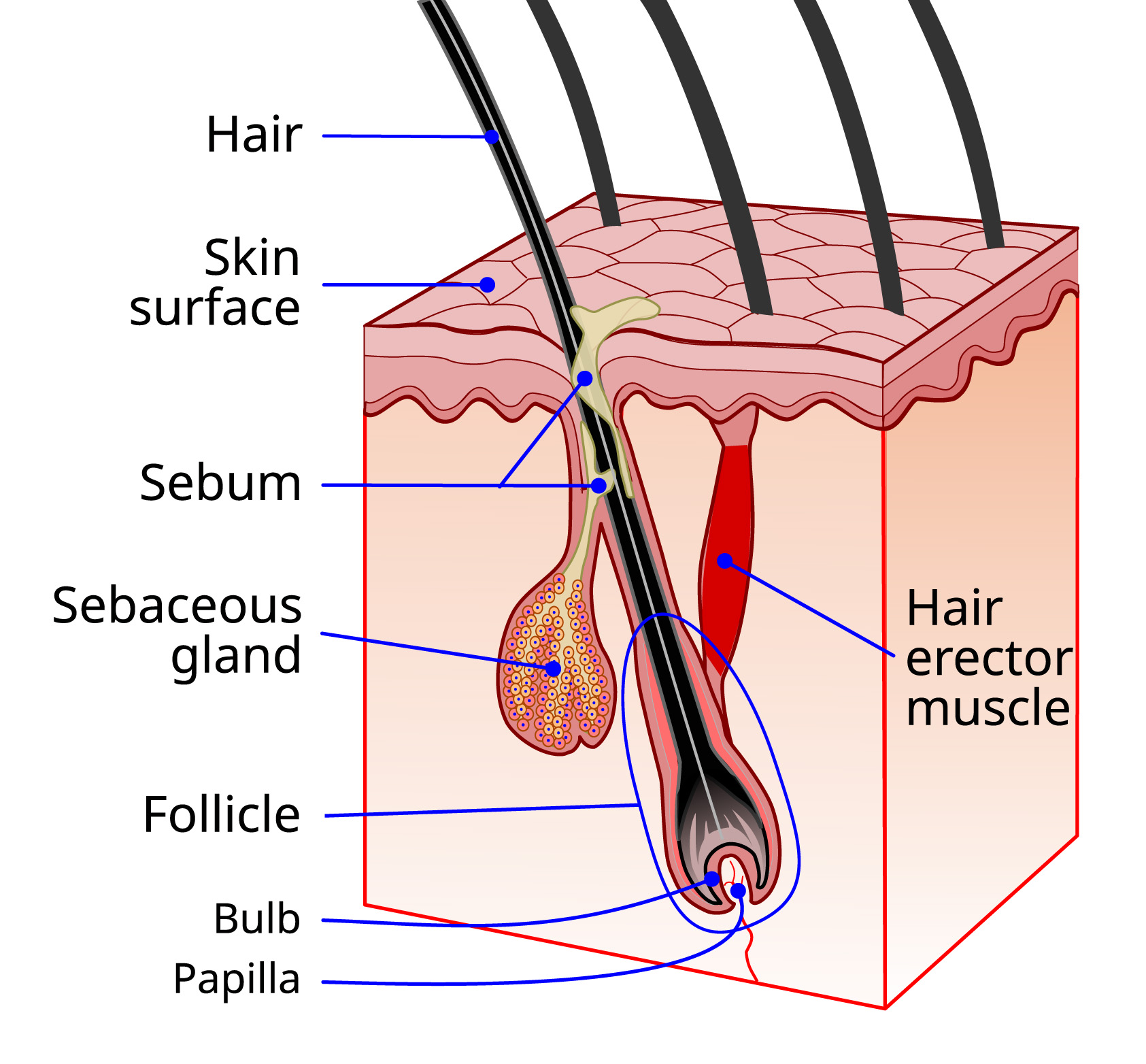
Factors such as genetics, nutrition, medications, stress, and inflammation influence the hair cycle, board-certified dermatologist Elizabeth Bahar Houshmand, based in Dallas, Texas, tells Popular Science.
“For example, thyroid disease, iron deficiency, significant illness, surgery, rapid weight loss, postpartum hormonal shifts, and certain medications can push more hairs into the shedding phase, leading to increased hair loss several months later,” says Houshmand.
Does hair grow more in summer?
The idea that hair grows differently in summer is popular, says Houshmand. “There may be some biologic plausibility because light exposure, temperature, circulation, and seasonal hormonal changes can affect many physiologic processes,” she adds.
Environmental factors, like pollutants, can also affect the scalp barrier and inflammation. Houshmand says this can contribute to optimal hair growth. But she says it’s unlikely seasonal factors, like summer sun, has a significant effect on how our hair grows. “In dermatology, we usually think of hair growth as being driven internally by follicle biology, health status, and signaling pathways,” says Houshmand.
Increased vitamin D production thanks to more sunlight is often touted as the reason hair is thought to grow more rapidly in summer. But Houshmand quickly shaved this idea down.
“If someone is truly vitamin D deficient, correcting that deficiency may support overall health and may be part of a broader hair-loss treatment plan. But there is no strong evidence that taking extra vitamin D will make hair grow faster in someone with normal vitamin D levels,” she says. In other words, extra vitamin D isn’t likely a cause for extra luscious locks.
The idea that the sun and summer influence hair growth at all hasn’t been proven scientifically, Houshmand explains. Only a few studies have touched on the topic, and they don’t do much to cover up the bald spots in the theory.
Related 'Ask Us Anything' Stories
Two studies in the 1990s explored seasonal changes in hair growth in men. One paper, published in the British Journal of Dermatology in 1991, found that their participants’ scalp hair was most commonly in anagen in March, where 90 percent of follicles were in the growth phase. This proportion then fell over the next six months, hitting a trough in September. The participants’ beard hair grew differently and peaked in summer. In July, beard growth was 60 percent greater than at winter levels.
The second study, which appeared in the same journal five years later, concluded something similar, finding that the end of summer marked the point in the year when the highest number of hairs were in the resting phase of growth. This evidence together suggests that summer is when hair is likely to be growing the least, rather than most. But both studies were very small, with just 14 and 10 participants respectively, making it hard to generalize the findings to the wider population.
A more recent study was published in the journal Dermatology in 2009. This was much larger, recruiting 823 women. The cohort included both healthy participants and those living with clinical alopecia, a condition characterized by rapid hair loss. Again, this showed that summer was the time of year when the most follicles were in the telogen resting phase.
Even if beard hair does grow 60 percent faster in summer, this would only translate to 0.3 inches more growth than normal in a month—not enough to notice.
Don’t forget that sun exposure, when done safely, does have positive effects on our body, like increasing the production of the mood-boosting hormone serotonin. But the idea that moving to a sunnier climate might address a receding hairline isn’t thick enough to put a comb through.
In Ask Us Anything, Popular Science answers your most outlandish, mind-burning questions, from the everyday things you’ve always wondered to the bizarre things you never thought to ask. Have something you’ve always wanted to know? Ask us.
The post Does summer actually make your hair grow faster? appeared first on Popular Science.
from Popular Science https://ift.tt/Zfnt71H




0 Comments