
With the United States’ 250th birthday coming up on July Fourth, it may seem like George Washington is everywhere, from a live PBS broadcast featuring Ken Burns at Colonial Williamsburg to two-part screenings of the musical Hamilton where actor Christopher Jackson plays the Revolutionary War hero.
But at the Morristown National Historical Park in New Jersey, visitors can almost touch the first president of the United States—or at least part of his jacket. In honor of the country’s semiquincentennial, the park that commemorates the Continental Army’s encampment from December 1779 to June 1780 has put together a special exhibit displaying items from early American history. George Washington’s very own overcoat is included, but this isn’t any ordinary suit jacket, though. It’s the overcoat that George Washington wore to the ball on his inauguration night in 1789.
Originally known as his “golden suit” because of its bright gold-yellow color, a careful analysis of the garment conducted by the Smithsonian and Morristown National Historical Park revealed that it wasn’t golden at all.
Dr. Asher Newsome, a physical chemist at the Smithsonian’s Museum Conservation Institute, used a special technique known as mass spectrometry to analyze a tiny amount of fibers from the coat.
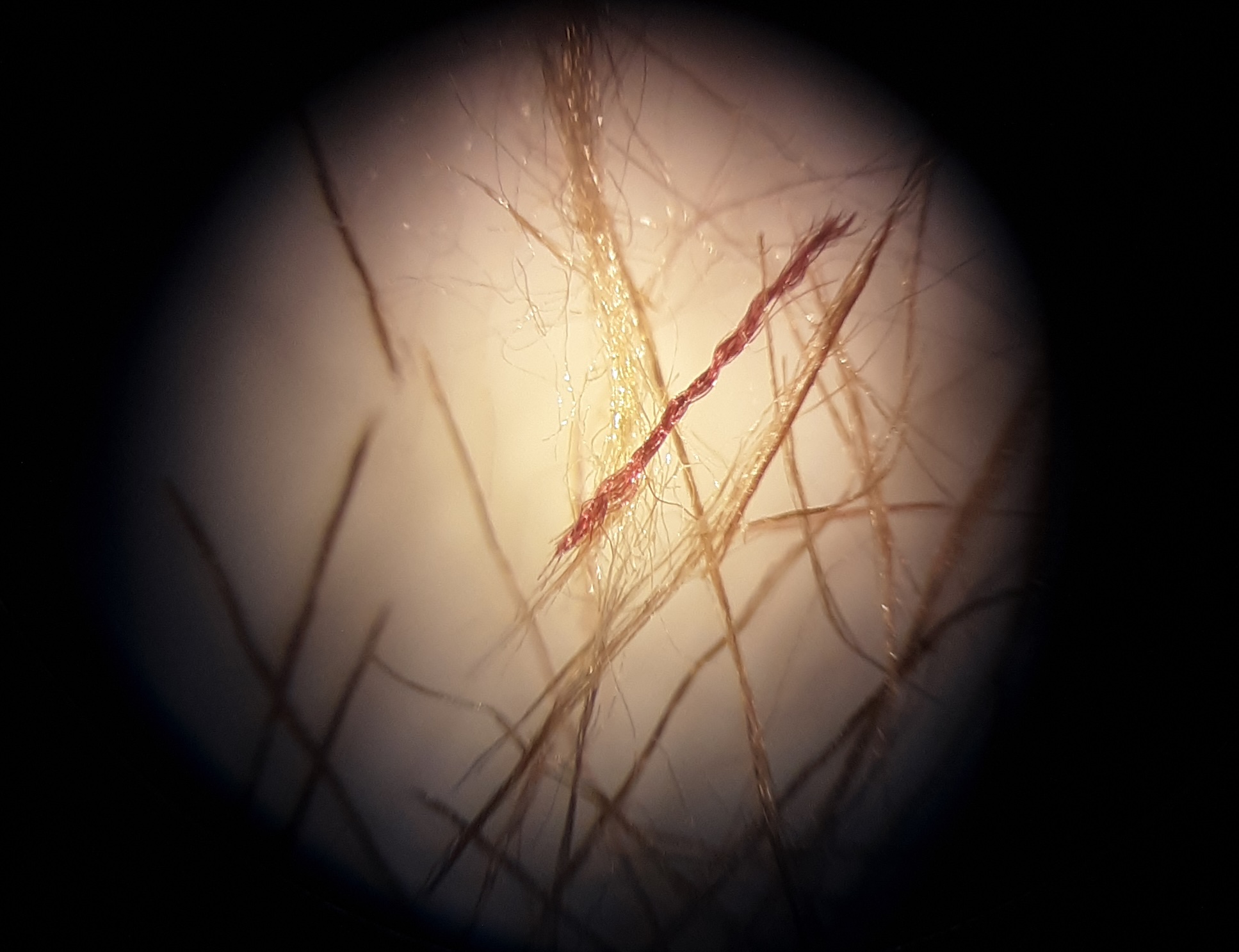
Don’t worry, the Founding Father’s priceless suit wasn’t touched. The fibers Newsome analyzed had just fallen off the coat thanks to Father Time. Curators usually refer to these types of specimens as “self-sampled.”
Once Newsome received these self-sampled fibers in the mail from Morristown, he got to work. Using a technique called Direct Analysis in Real Time Mass Spectrometry (or DART-MS), Newsome was able to figure out the exact natural dyes used in the famous coat.
“Nowadays, there are untold thousands of synthetic dyes, but there’s a very small number, relatively, of natural dyes,” Newsome tells Popular Science.
After running a DART-MS analysis, Newsome could look at the chemical signatures present in the fibers. He then matched those signatures to the known chemical signatures of different natural dyes to figure exactly which dyes were present in Washington’s suit.
And Newsome didn’t just find one dye: He found a range of different natural dyes from across the colonial world. “There’s shellac, which comes from an insect. There’s madder,” he says, “that comes from a root. There’s Brazil wood, walnut, logwood. Those all are dyes that were identified positively.”
Each of these dyes create a range of different colors. Shellac, which comes from an insect Kerria lacca native to India and Southeast Asia, creates a crimson to deep purple color. Madder comes from the roots of flowering shrubs in the genus rubiaceae, and creates a strong red color. Similar to shellac, Brazil wood can create a red or purple color. Walnut creates browns and tans. And, finally, logwood produces a rich royal purple color.
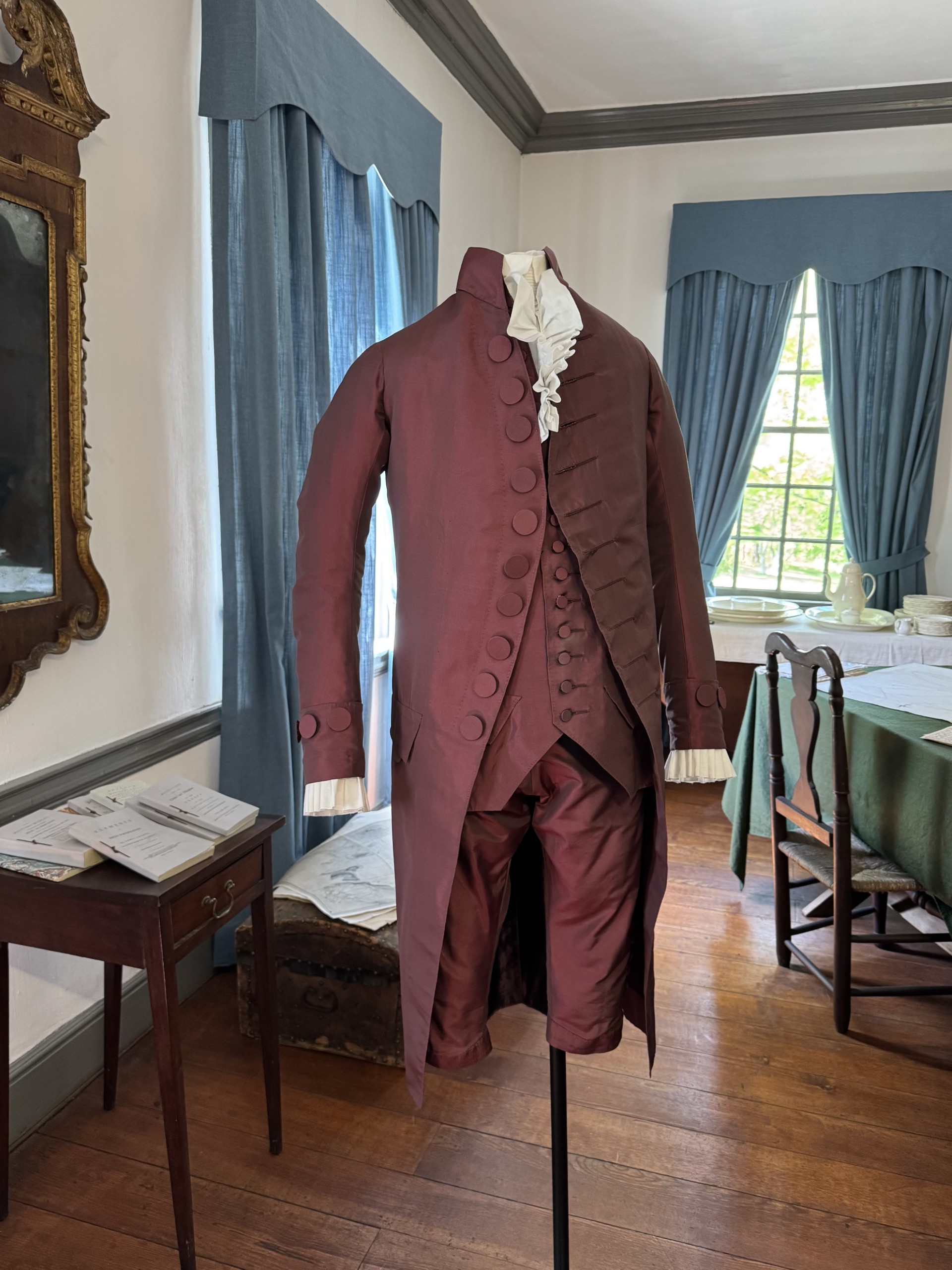
Based on Newsome’s analysis, curators at Morristown National Historical Park created a replica of Washington’s suit using the exact natural dyes present in the original. The replica wasn’t a golden color at all, but a rich, vibrant plum color.
In fact, when a patch of the dyed plum-colored silk was left in the sun, it turned a yellow-golden color. That might explain how Washington’s famous overcoat turned golden in the centuries since he partied on his inauguration.
The post George Washington’s famous ‘golden suit’ was actually purple appeared first on Popular Science.
from Popular Science https://ift.tt/tOqNhvz



0 Comments