
A picture is said to be worth a thousand words, but some photographs are worth 17,000. Well, 17,000 species, that is. For National Geographic’s Photo Ark project, photographer Joel Sartore is documenting all species living in the world’s zoos, aquariums, and wildlife sanctuaries. Since 2006, the project’s goal has been using these photographs to inspire action through education and help protect wildlife.
“So far, we’ve traveled to 60+ countries to document more than 17,000 species, showcased in about 60,000 individual portraits over the last nearly 20 years that we’ve been at this,” Sartore, a National Geographic Explorer, photographer, and founder of the project, tells Popular Science. “We’re out the door before the sun rises and return home from photoshoots long after the sun sets. It’s not as glamorous of a job as one might think, but it’s certainly rewarding. With every photoshoot and animal encounter, I’m reminded why the Photo Ark exists: to tell their stories earnestly and honestly, and to try to make the world a better place.”
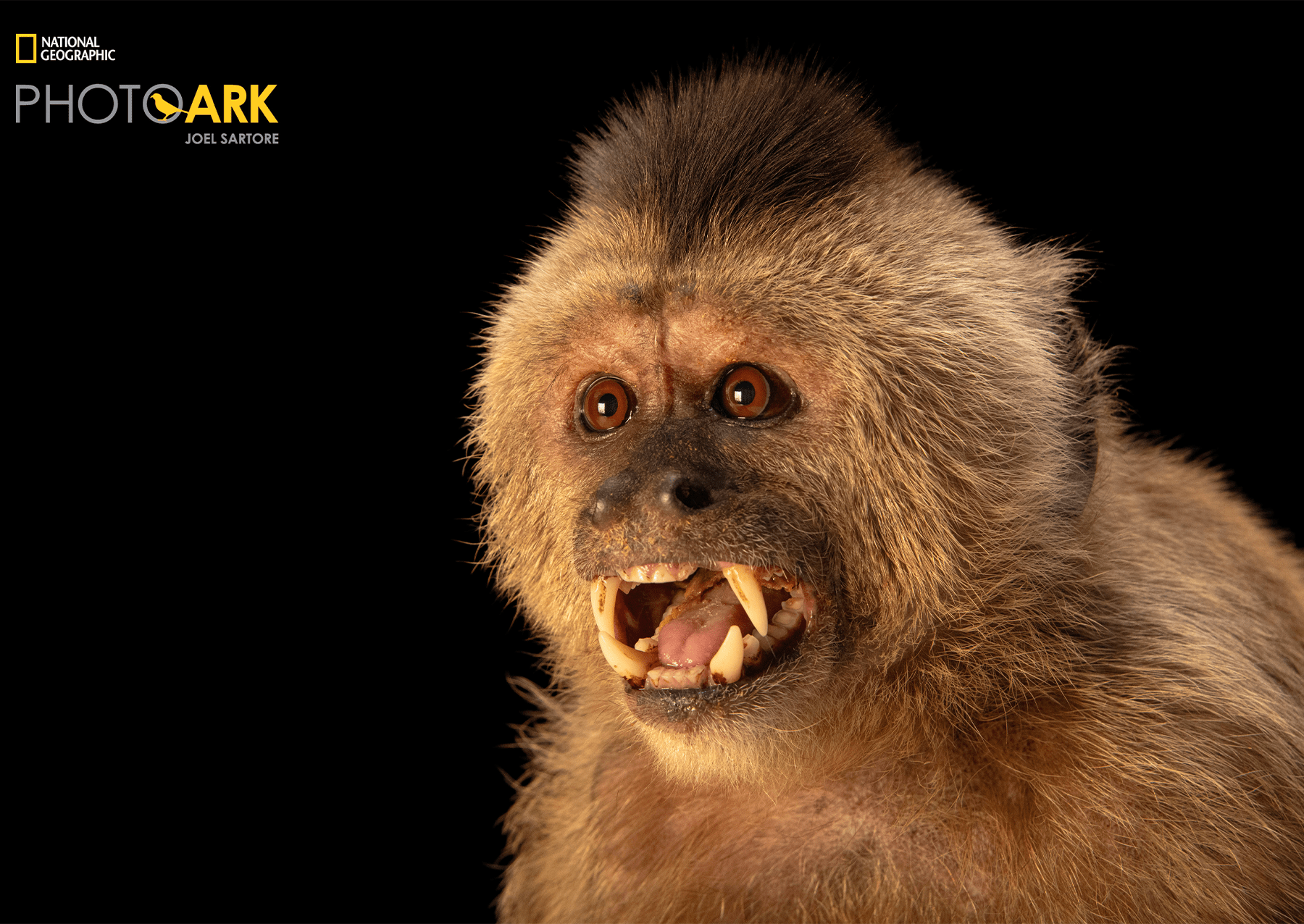
Credit: Joel Sartore/National Geographic Photo Ark.
To commemorate 20 years of the project, the exhibition Photo Ark: Animals of Earth will be the first exhibit to open at the National Geographic Museum of Exploration (MOE) in Washington D.C. in summer 2026. Take a look at some of the images below. (Click to expand images to full screen.)
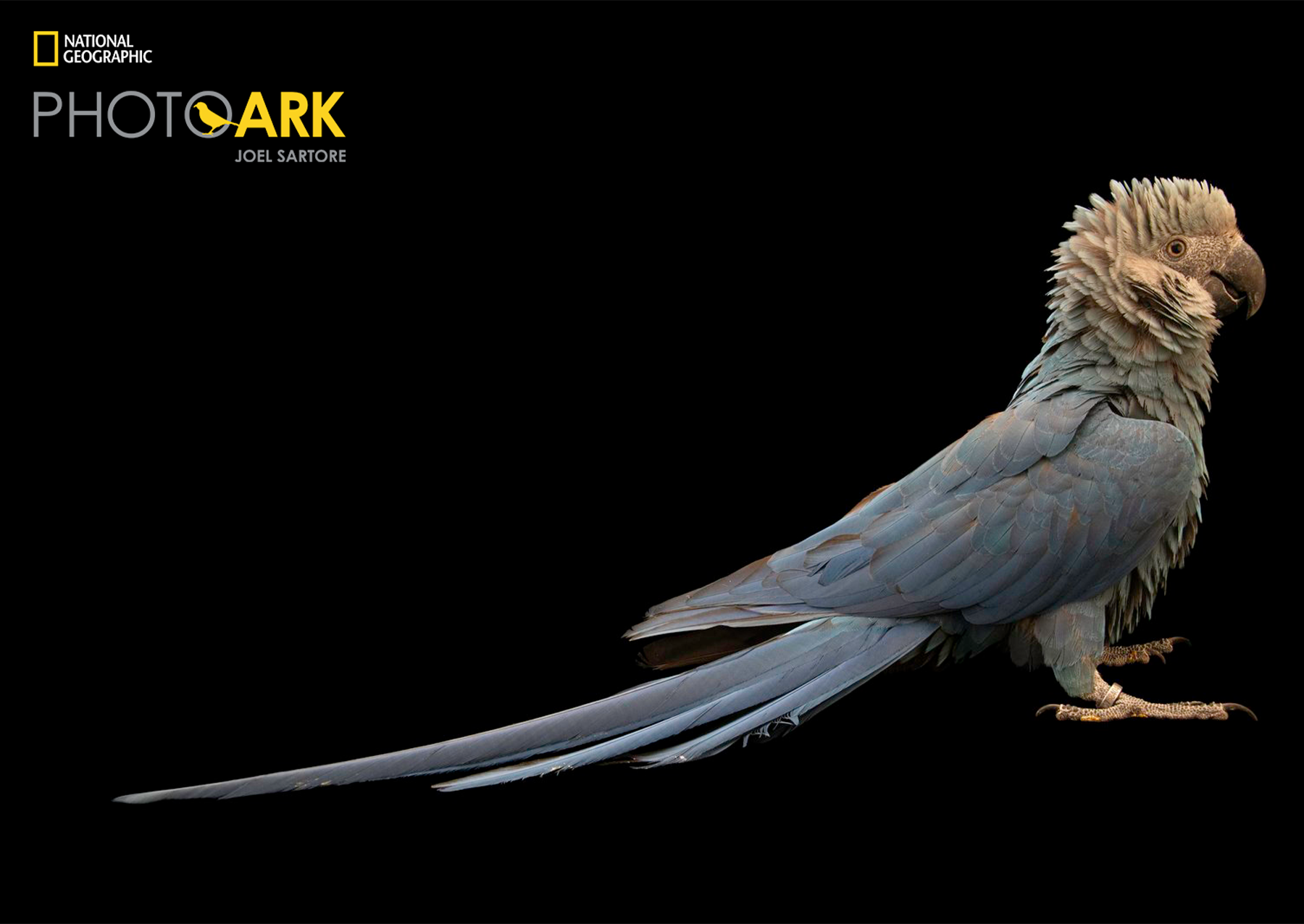
“During our three-week trip in Brazil last summer, we photographed about 250 species in all, from mammals and reptiles, to fish and insects,” says Sartore We had documented some of the rarest birds on the planet, like this Spix’s macaw, a strikingly beautiful parrot that’s extinct in the wild. It’s the only parrot species that’s entirely blue from head to tail, like a living sapphire. We know many of the species we documented in Brazil may not make it in the long run, a stark rallying cry that we can save species while there’s still time, if we all work together.”
Credit: Joel Sartore/National Geographic Photo Ark.
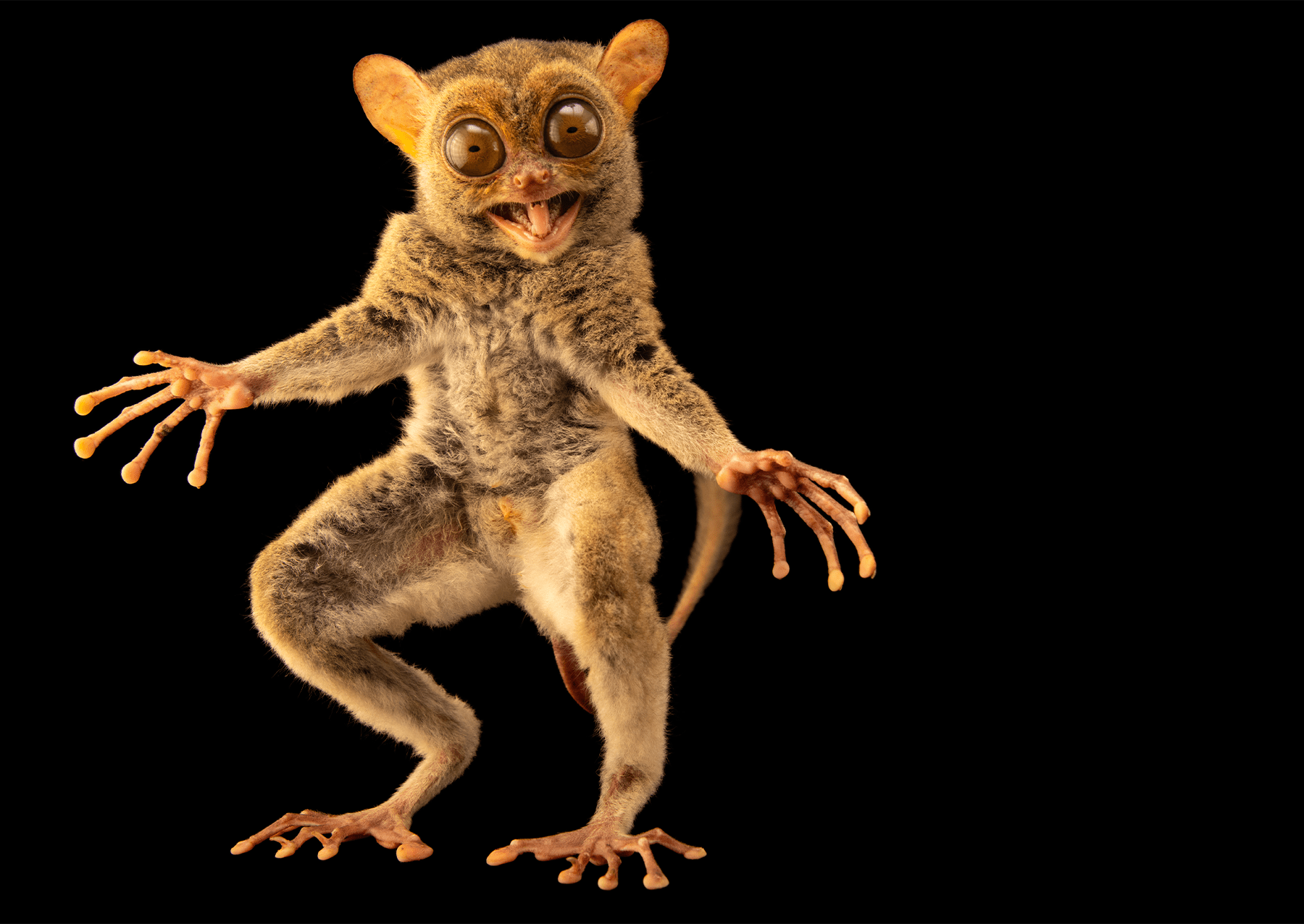
Credit: Joel Sartore/National Geographic Photo Ark.
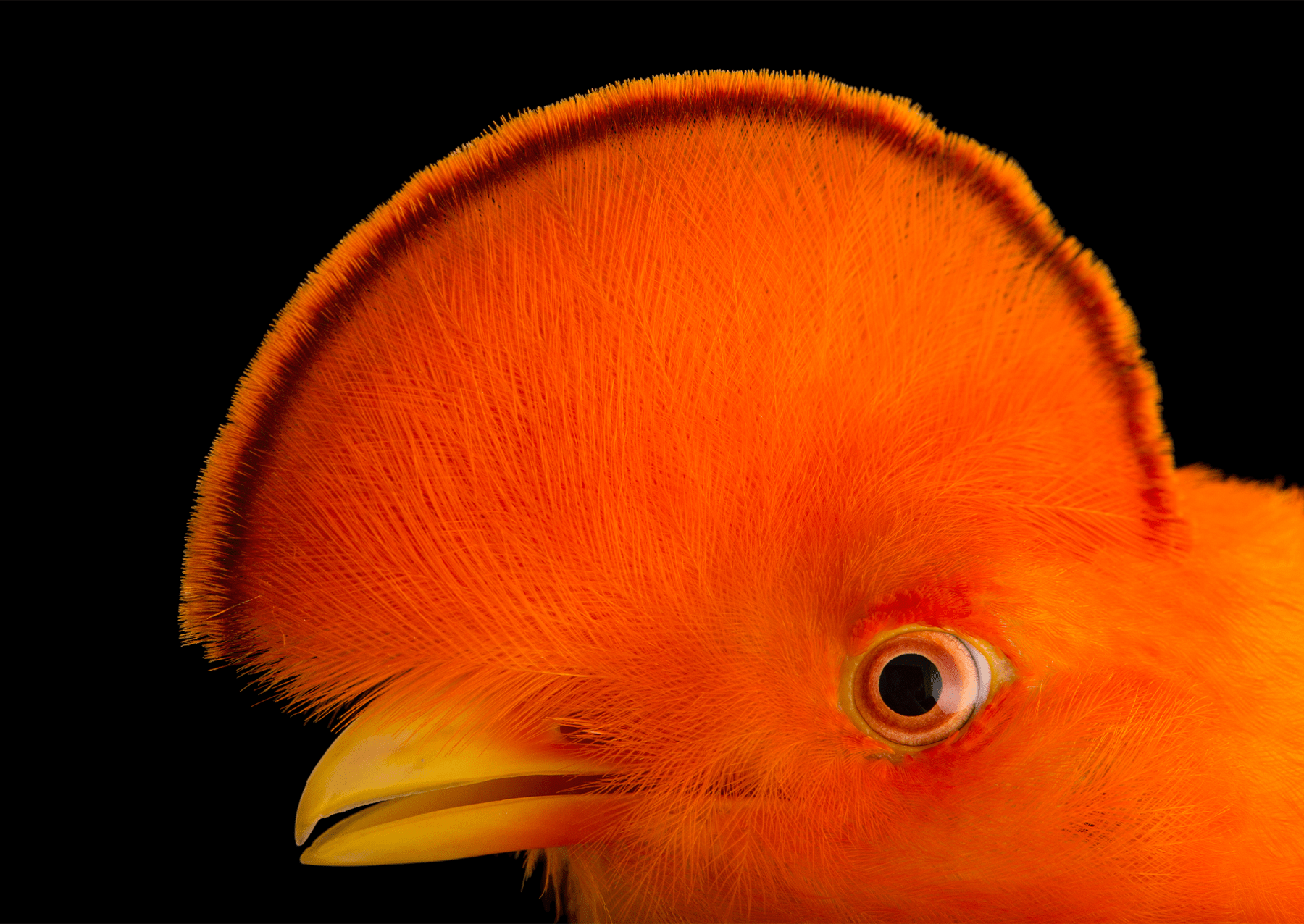
Credit: Joel Sartore/National Geographic Photo Ark.
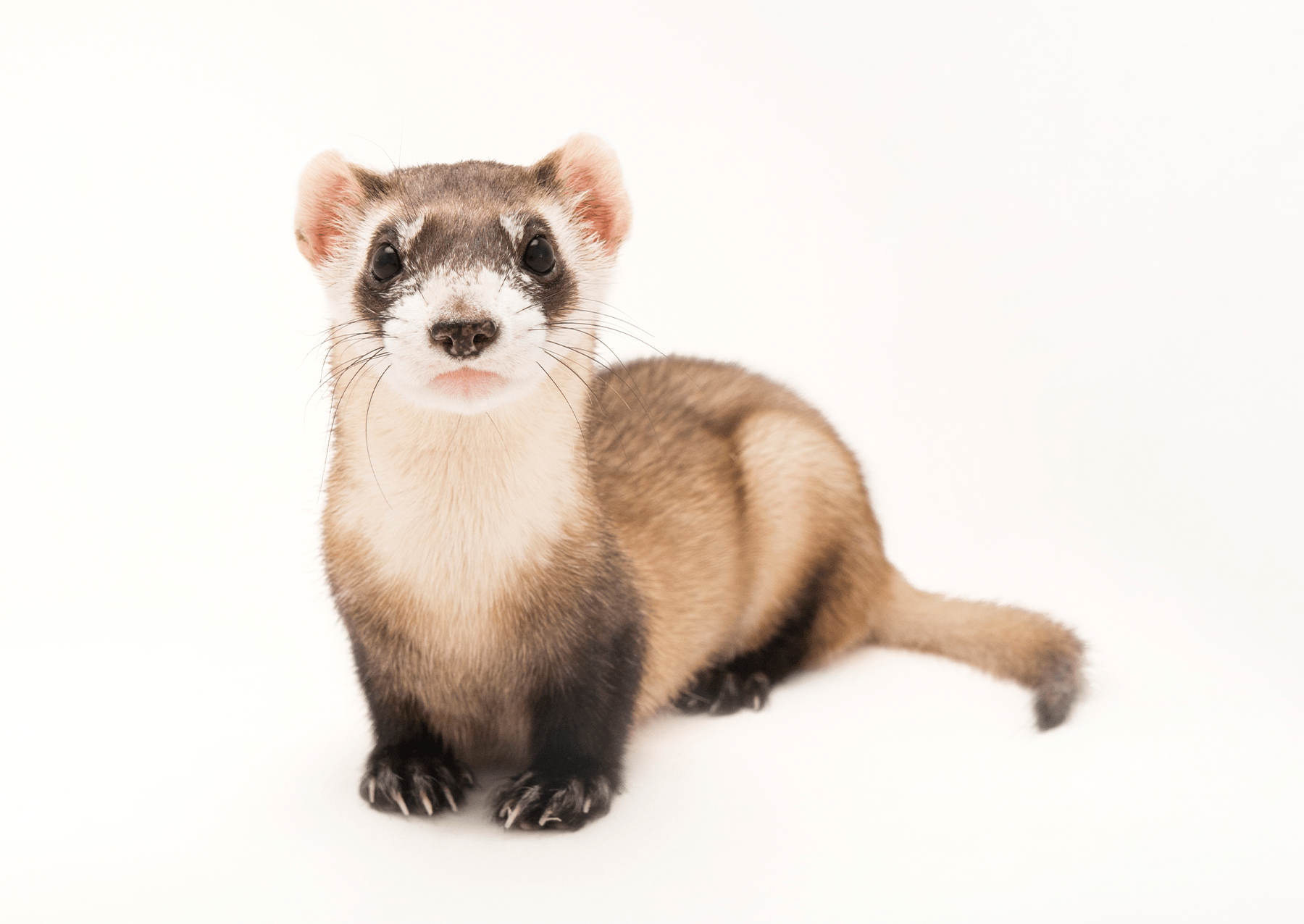
Credit: Joel Sartore/National Geographic Photo Ark.

Credit: Joel Sartore/National Geographic Photo Ark.
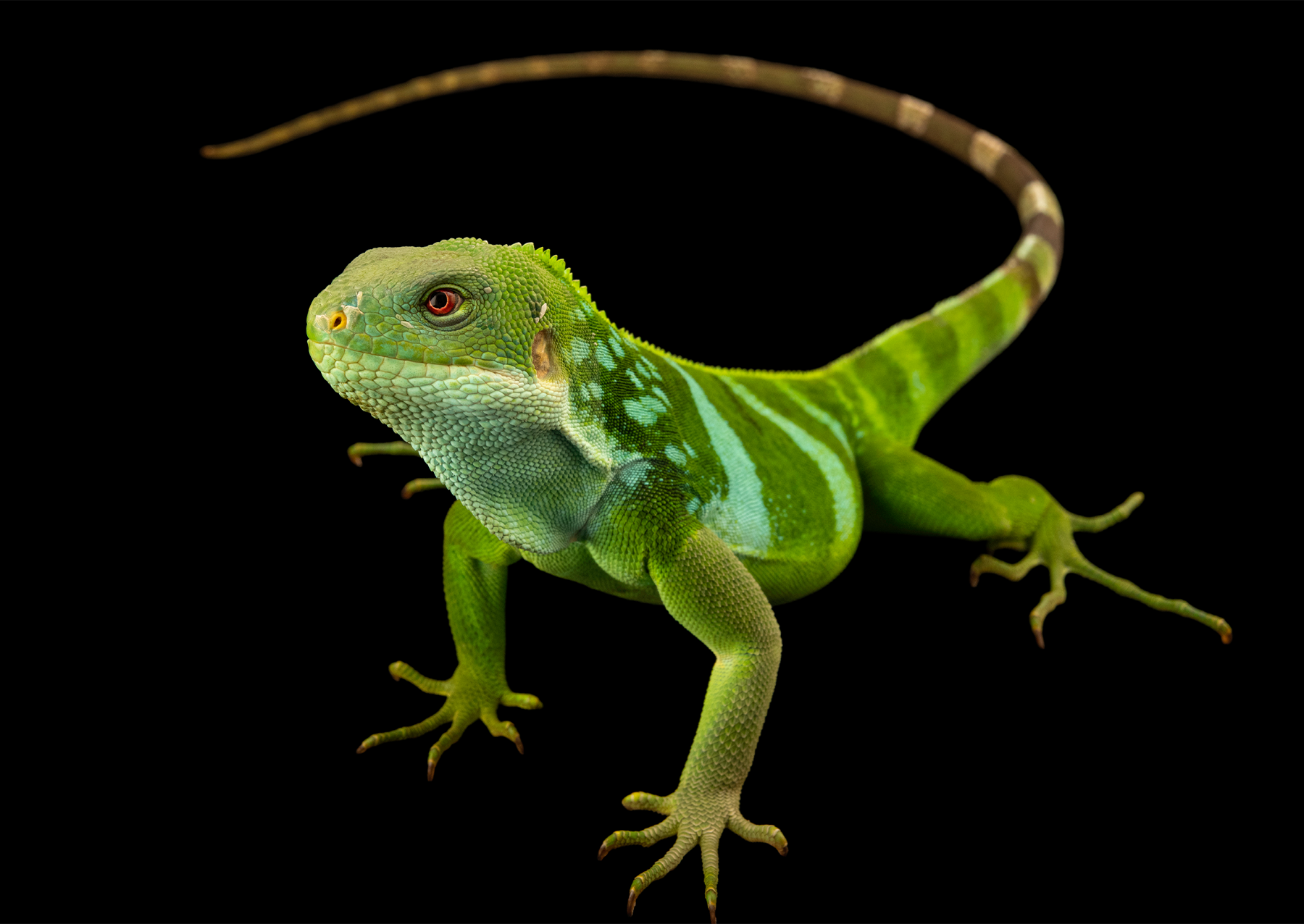
Credit: Joel Sartore/National Geographic Photo Ark.
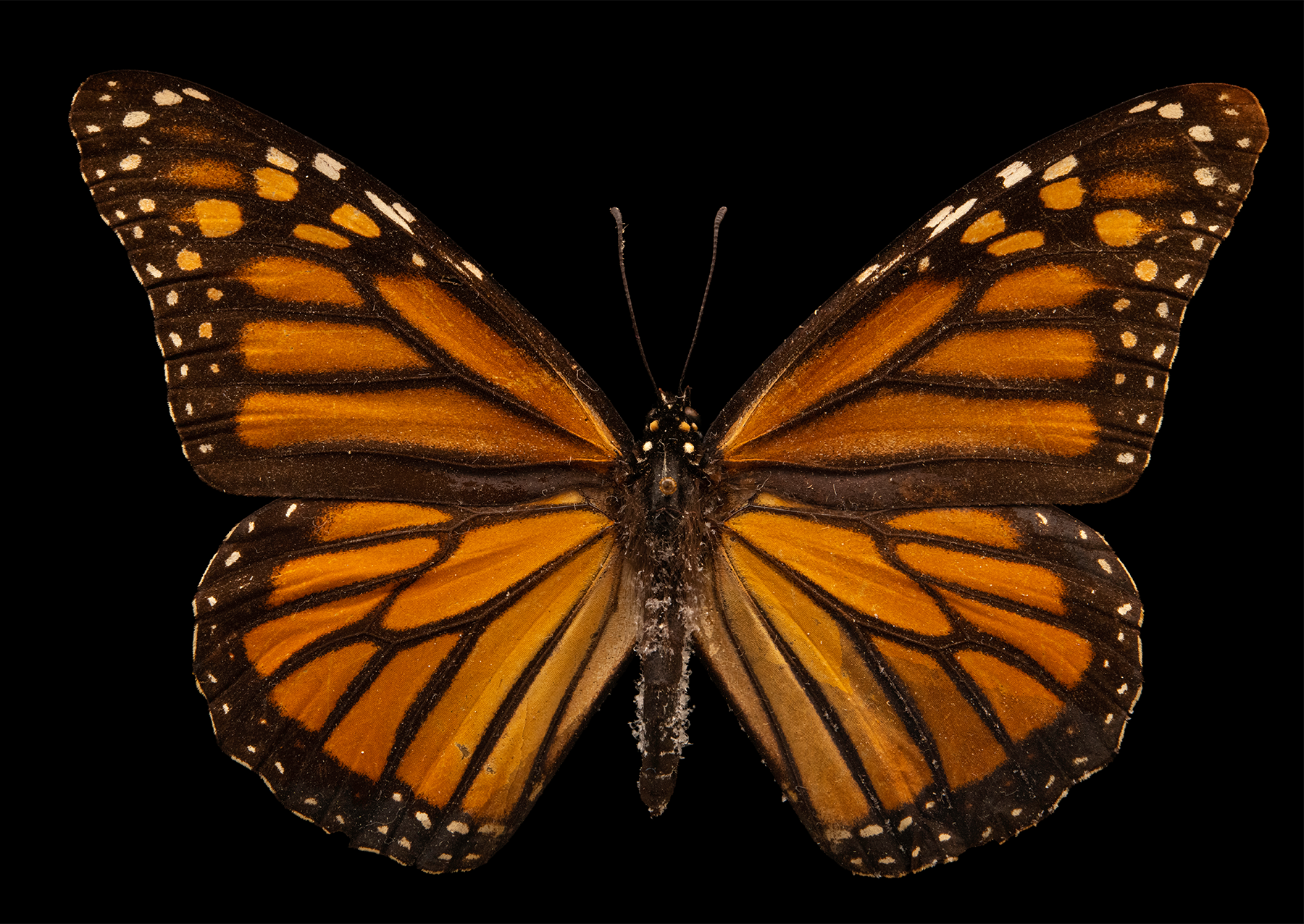
Credit: Joel Sartore/National Geographic Photo Ark.

Credit: Joel Sartore/National Geographic Photo Ark.
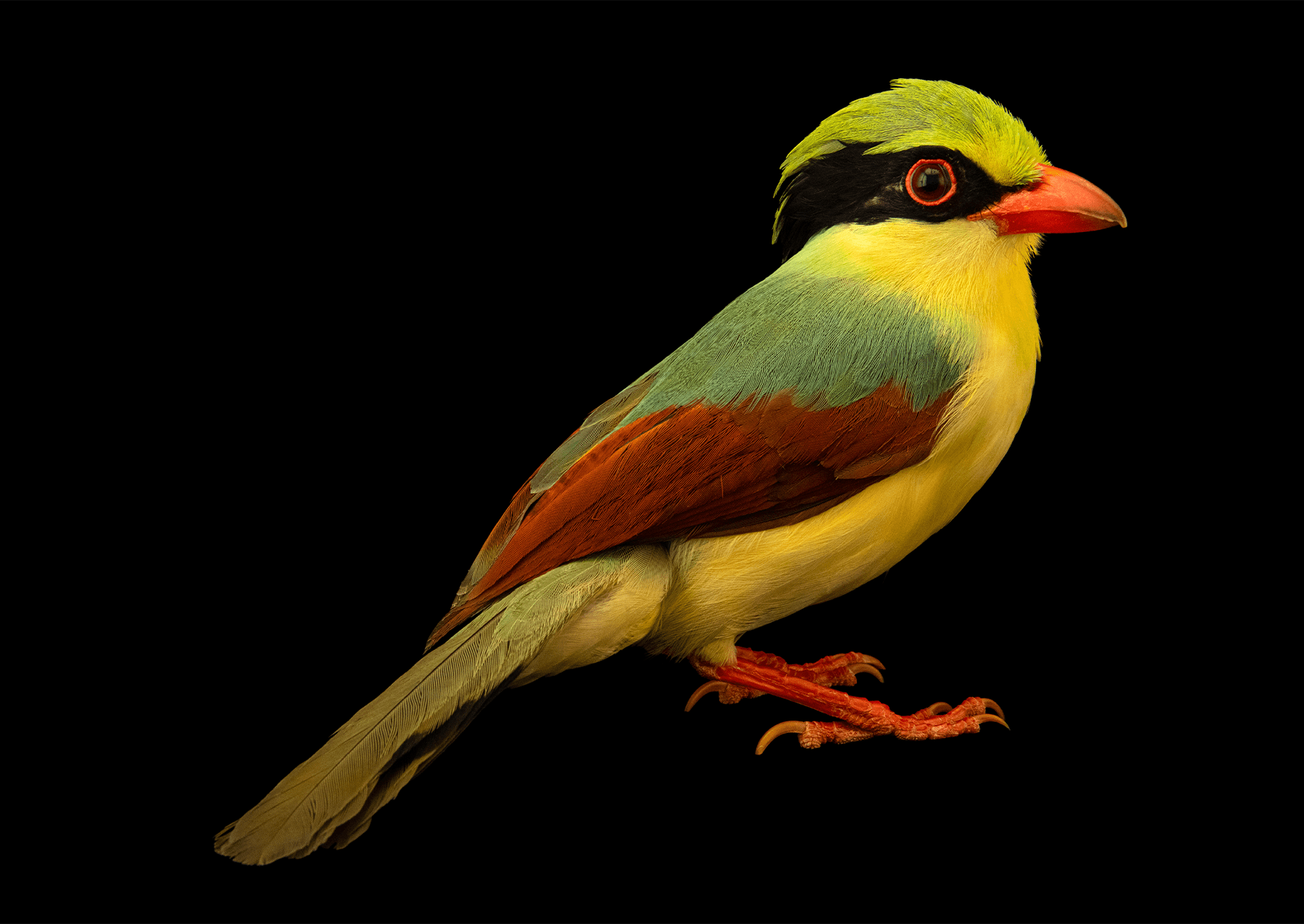
Credit: Joel Sartore/National Geographic Photo Ark.
“The Photo Ark is meant to give each species their time in the spotlight, because at the very least, no species should go extinct before we have the opportunity to document them,” Sartore concludes.
“The richness of biodiversity on Earth is immense. Every species plays an essential role and is worthy of saving. We often don’t encounter most of these species, so these portraits are the first step in acknowledging their value and need for protection. But the Photo Ark isn’t really about loss. It’s about hope, and compassion, and coming together for a cause greater than your own. If these images move just one person to action, then I would say that photo is a job well done. Photographs help tell a story, and these stories will always be worth telling.”
The post 10 captivating images from National Geographic’s Photo Ark appeared first on Popular Science.
from Popular Science https://ift.tt/eyY32iU


0 Comments