
While Florida is perhaps best known for its beaches and wetlands, its landscape hosts other notable features: ridges. Millions of years ago, sea levels were higher than they are today, and these elevated areas of land became like islands. The species living on these ridges evolved in complete isolation, so the area is now packed with native animals that don’t exist anywhere else.
The earliest and tallest of these unique systems is the Lake Wales Ridge in central Florida. It’s home to the Florida scrub millipede (Floridobolus penneri), one of North America’s biggest millipedes. This rare and little-known arthropod is unique to the Sunshine State, and can reach up to four inches in length. It moves with over 100 legs and mostly lives underground and comes out at night.
Apparently, they’re also picky when it comes to making babies. At least, the ones in the care of Anne Sawl—a graduate student in conservation biology at the University of South Florida St. Petersburg—seemed to be. It wasn’t until she put them in a kiddie pool with plants from the ridge that she found an offspring.
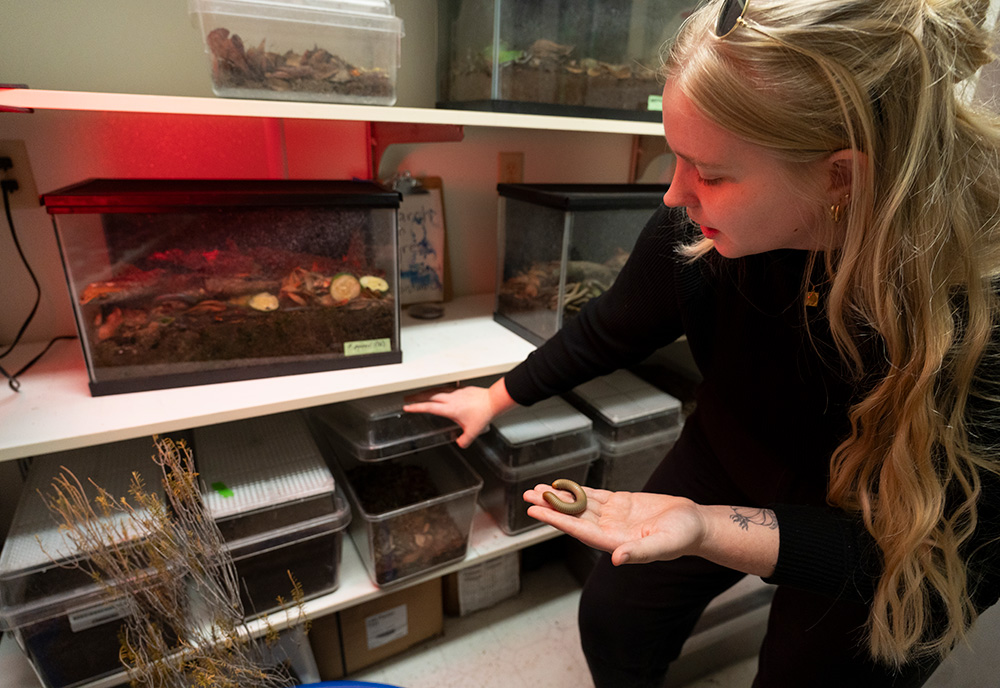
“One day, I was moving dirt near the roots of the plant and noticed a tiny white speck,” Sawl explained in a statement. “It caught my eye. I picked it up and realized it was a baby millipede. After so much trial and error in the lab, I was completely flabbergasted that they had reproduced.”
Maybe the millipedes weren’t used to so much attention. After all, they hadn’t been scientifically surveyed in almost 20 years. Within this context, Sawl’s research into the Florida scrub millipede’s population numbers and spread is providing new information that could aid future conservation endeavors..
The endemic species is believed to be threatened by major habitat loss. Researchers estimate that human activity has destroyed 85 percent of the Lake Wales Ridge’s natural habitat from before humans settled there, according to Sawl.
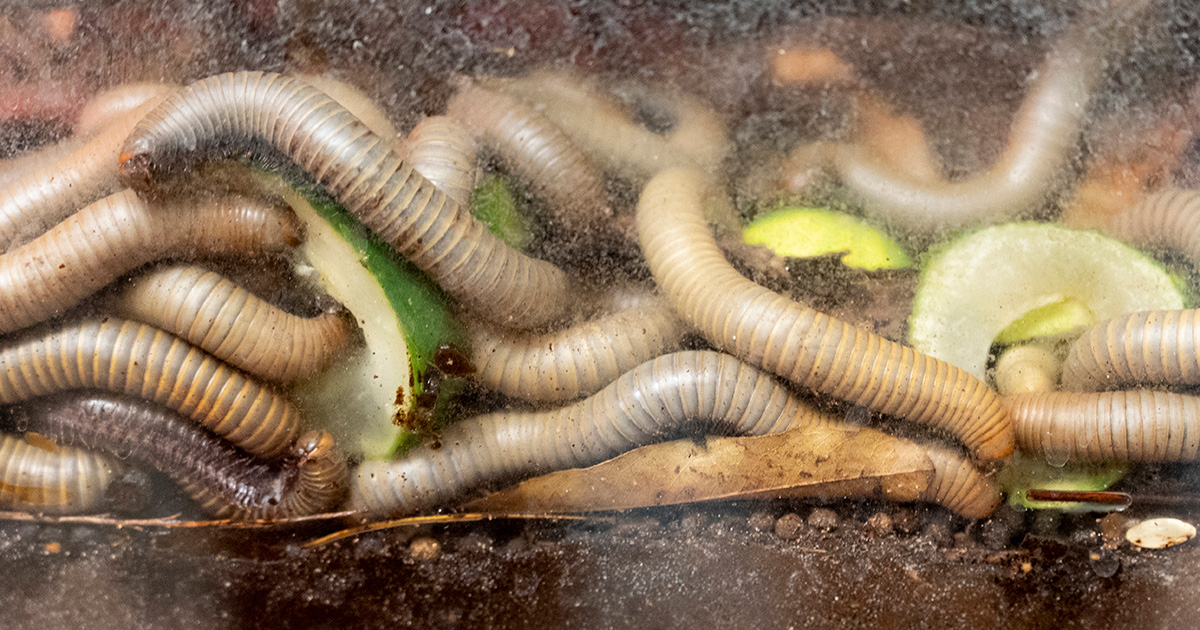
“Anne has taken a group of animals most people overlook and produced multiple chapters of publishable research with brand new information,” added Deby Cassill, a professor of integrative biology at the University of South Florida and Sawl’s adviser. “Millipedes might not be glamorous, but they are ecological champions in these fragile habitats.”
Florida scrub millipedes play an important role in nutrient recycling—or rather, their digestive system does. They turn their plant meals into a crucial source of nutrients, according to Sawl. Yes, we’re talking about their poop.
However, Sawl has also found that these unique, many-legged arthropods prefer mushrooms and fungi instead of some plant material researchers previously thought. They might just be picky animals through and through.
The post These rare, giant millipedes only exist in Florida appeared first on Popular Science.
from Popular Science https://ift.tt/Sei7cXK


0 Comments